Overview
Toyama City is a “Compact City” known for its dramatic backdrop of the Tateyama Mountain Range and its proximity to the Sea of Japan. Historically famous as a center for traditional medicine, it is now recognized as a “City of Glass Art.” Major landmarks include the Toyama Glass Art Museum, designed by Kengo Kuma, and the scenic Kansui Park. Its rich seafood, particularly Masu-zushi (trout sushi) and firefly squid, makes it a prime culinary destination.
Traditional Medicine Sales
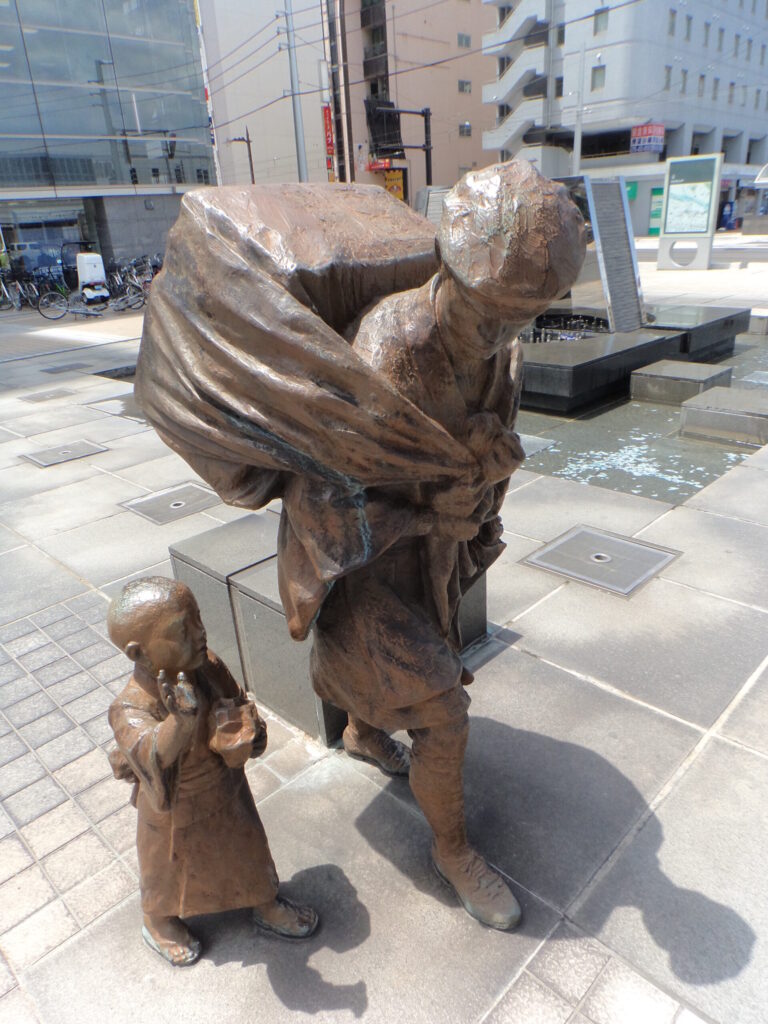
Toyama is known as a medicine capital. In the mid-Edo period, Maeda Masatoshi, who was the lord of Toyama at the time, researched wakan-yaku, which translats as Japanese and Chinese medicines, and encouraged his subjects to manufacture and sell them.
Wakan-yaku are prescribed based on the symptoms and constitution of the person. In order to provide a precise prescription, the shop makes it a rule to do zauri (seat sale) to face customers in person listening carefully to their stories.
Ikeda Yasubei Shoten is a drug wholesaler founded in 1936 and is considered one of the attractions in Toyama City. Here, the shop staff will explain the history of Toyama’s medicine sales industry and the efficacy of traditional Japanese medicines, and you can also experience the pill-making process in the old days.
Glass Art
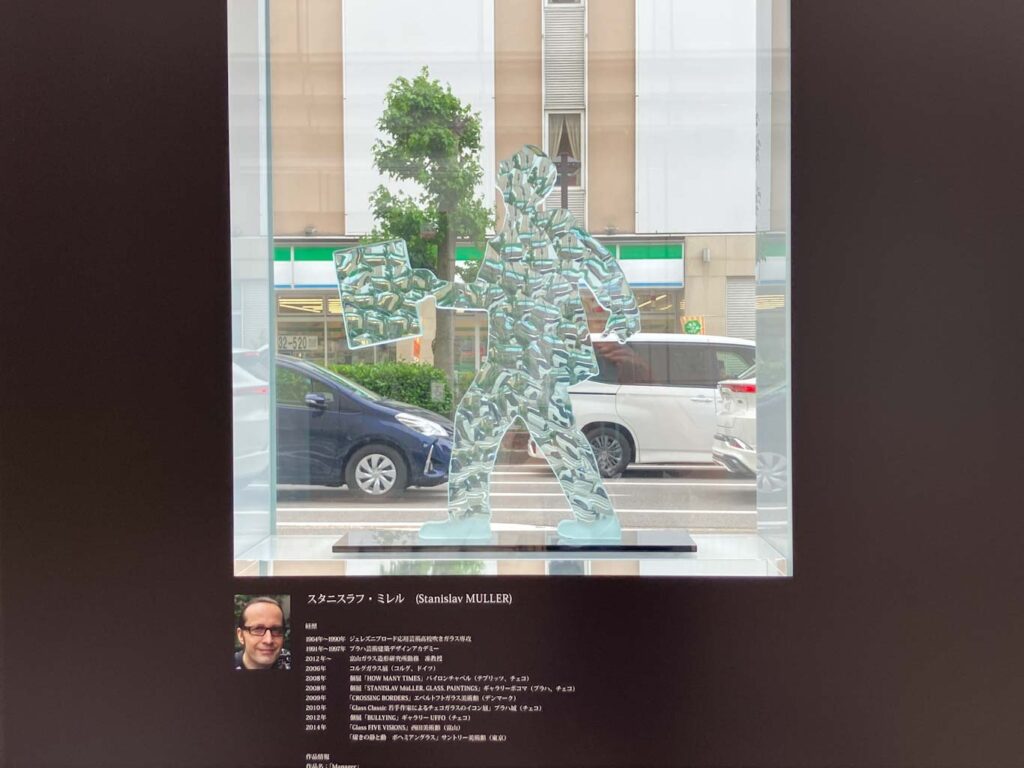
Toyama’s glass art has deep ties with Toyama’s traditional pharmaceutical industry. From the Meiji period onwards, as the pharmaceutical industry grew, the demand for medicine bottles increased, and glass medicine bottle manufacturing also became popular. Before World War 2, there were more than 10 glass factories which owns melting furnaces in Toyama.
Toyama Glass Art Museum, which opened in 2015, is a building that symbolizes the city of glass, Toyama. It was designed by famous Japanese architect Kengo Kuma. He used glass, aluminum, and granite on the exterior walls of the building to represent the expressive Tateyama mountain range.
Aside from that, as you walk through downtown Toyama, you may notice glass crafts are displayed on the streets.
In addition, Toyama is a rare city worldwide which offers an institute where glass artists can learn their skills.
A symbol of Japan’s postwar recovery
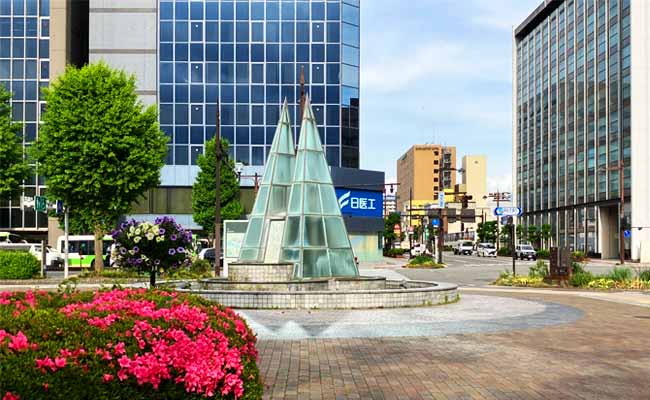
Toyama was one of the cities that was bombed during World War II. 99.5% of the city was burned down in the bombings, making it the city that suffered the most damage in the country. This is in contrast to Kanazawa City, which was not bombed and whose old town is still well preserved.
Compact City Concept
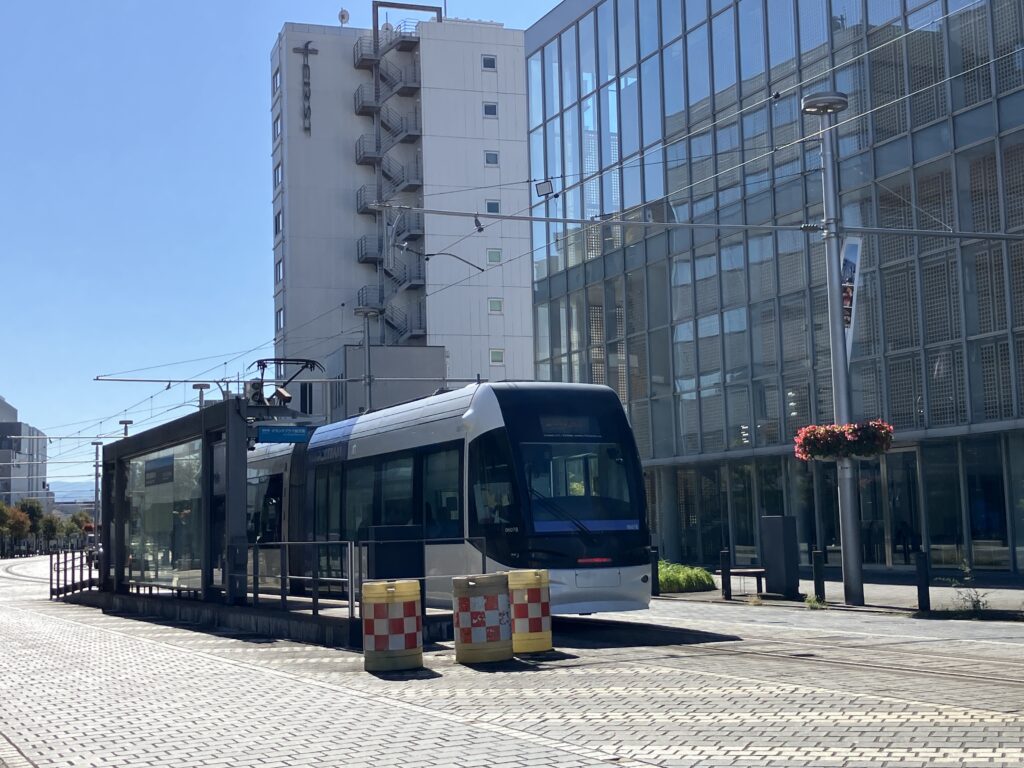
Toyama is a city whose urban planning was carried out in response to the problem of population decline, and it is said to be a pioneer in the compact city concept. You can get a glimpse of Toyama City’s pioneering initiatives at the following attractions:
Grand Plaza is a square in the center of Toyama, greatly accessible from such suburbs as Iwase, Gofuku and Minami-Toyama district. It was created by combining three city roads. Like Otemachi and Yutown Sogawa, events are often held here, making these places both a street and an event square.
The Grand Plaza is a glass-walled piloti adjacent to the Daiwa Department Store. The glass is intentionally painted a translucent light blue, creating a design that highlights the citizens enjoying the event. This is also in contrast to the Tsuzumimon Gate at Kanazawa Station, which symbolizes traditional culture and has a strong presence at the station.