Homepage
Tour Guide Service

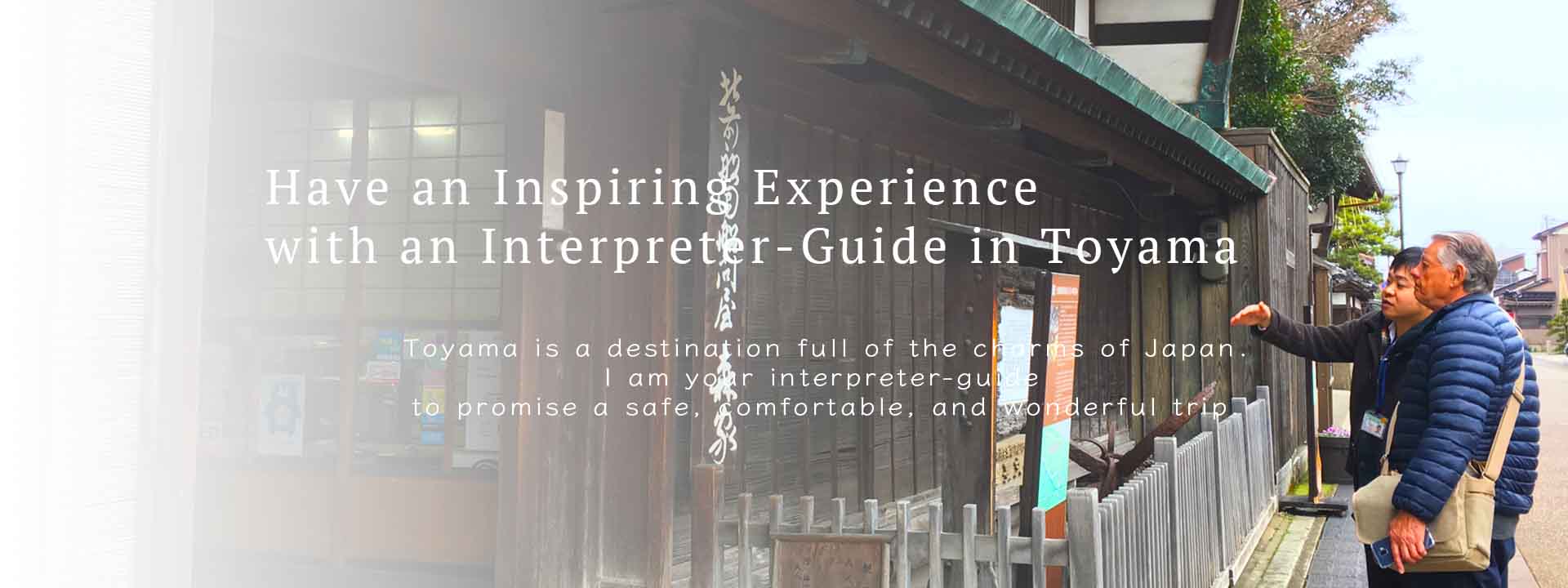
Hello, my name is YUICHI. I provide English guided tours mainly in Hokuriku & Hida region. I offer them with either public transportations or a private car. Please inform me of your desired destinations and convenient date for the tour. On your tour day, I will pick you up at your hotel and drop off any places you wish to go after the tour.
What’s New
Drived to Tateyama Town from Toyama City in Beautiful Winter Day
YuichiUnlike previous years, the winter of 2025 in Toyama Prefecture have many sunny days. Needless…

Wanna try Go-Go Curry? Kanazawa is a famous destination for curry lovers.
YuichiI brought my guests (Kiwi famiy) to Go-Go Curry. It is a very popular curry…

She said “The village was adorable…”
YuichiMy guests arrived at Takayama station at 5:00PM and we started our tour on the…
Basic Guide Fees
| PAX | FEE |
|---|---|
| 1 Adult | 2,500JPY/hr per adult |
| 2-6 Adults | 4,000JPY/hr per a group |
| 7+ Adults | 1,000JPY/hr per adult |
Pick-up Fees
| PICK-UP LOCATION | FEE |
|---|---|
| Toyama | 0JPY |
| Takaoka | 1,000JPY |
| Fushiki-Port | 1,000JPY |
| Kanazawa | 4,000JPY |
| Takayama | 6,000JPY |
Private Car Fees
| CAR TYPE | FEE |
|---|---|
| Compact Car | 10,000JPY |
| Mini-Van Small | 20,000JPY |
| Mini-Van Large | 30,000JPY |
Destinations
Toyama City
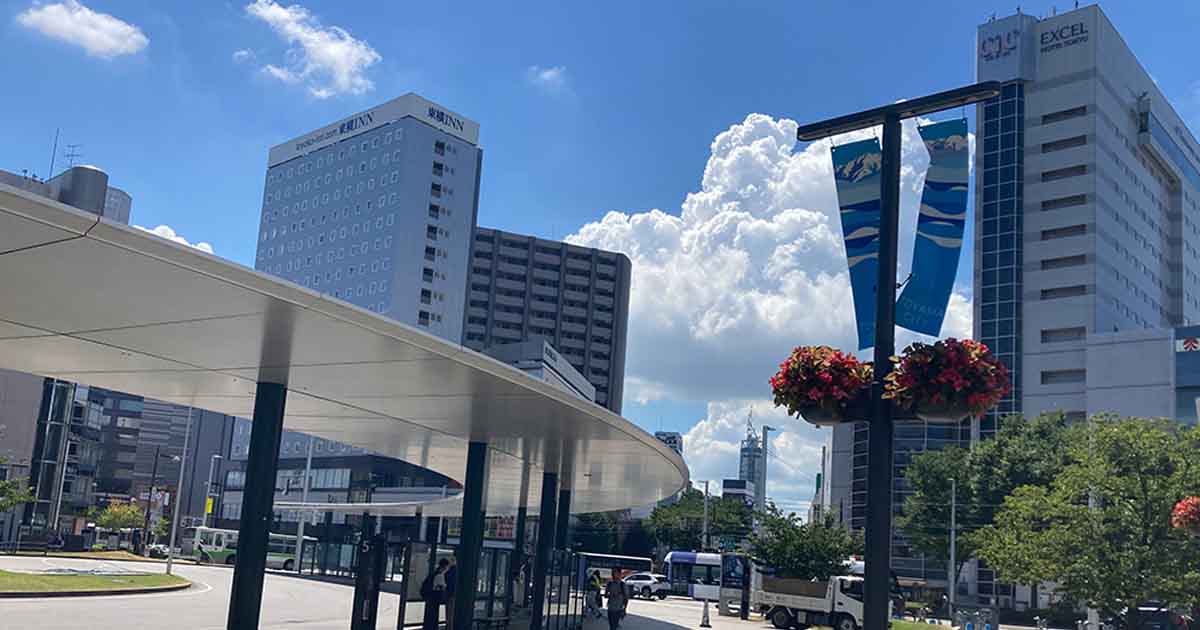
Toyama City is a vibrant coastal capital where the Northern Japan Alps meet the Sea of Japan. Historically a renowned “City of Medicine,” it has transformed into a modern hub of art and sustainability, recently featured in the New York Times’ “52 Places to Go.” The city is famous for its futuristic tram system, and world-class seafood—specifically white shrimp and firefly squid. In addition, Toyama offers a perfect blend of high-tech urban living and breathtaking natural wonder.
Tateyama Alpine Route
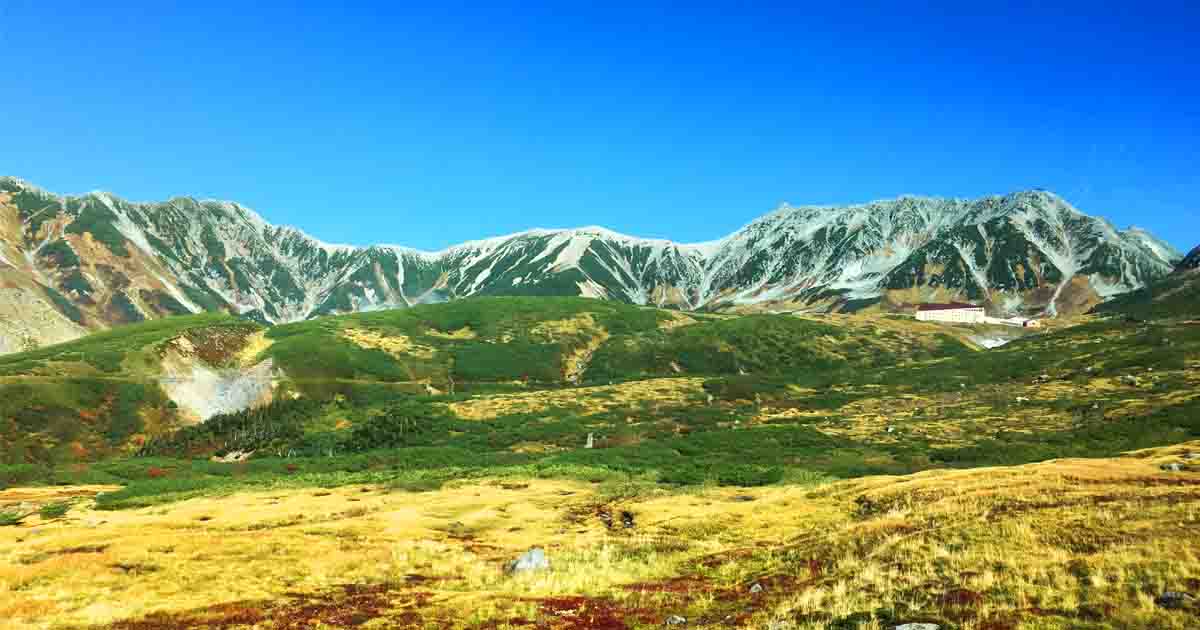
Often called the “Roof of Japan,” this spectacular mountain transit route connects Toyama with Nagano. It’s famous for the Yuki-no-Otani, a massive snow corridor with walls reaching up to 20 meters high in spring. Travelers traverse the landscape using cable cars, trolley buses, and a ropeway, stopping at the breathtaking Kurobe Dam—Japan’s tallest. From the volcanic landscapes of Murodo to the emerald waters of the dam, it offers some of the most dramatic alpine scenery in the world.
Kurobe Gorge
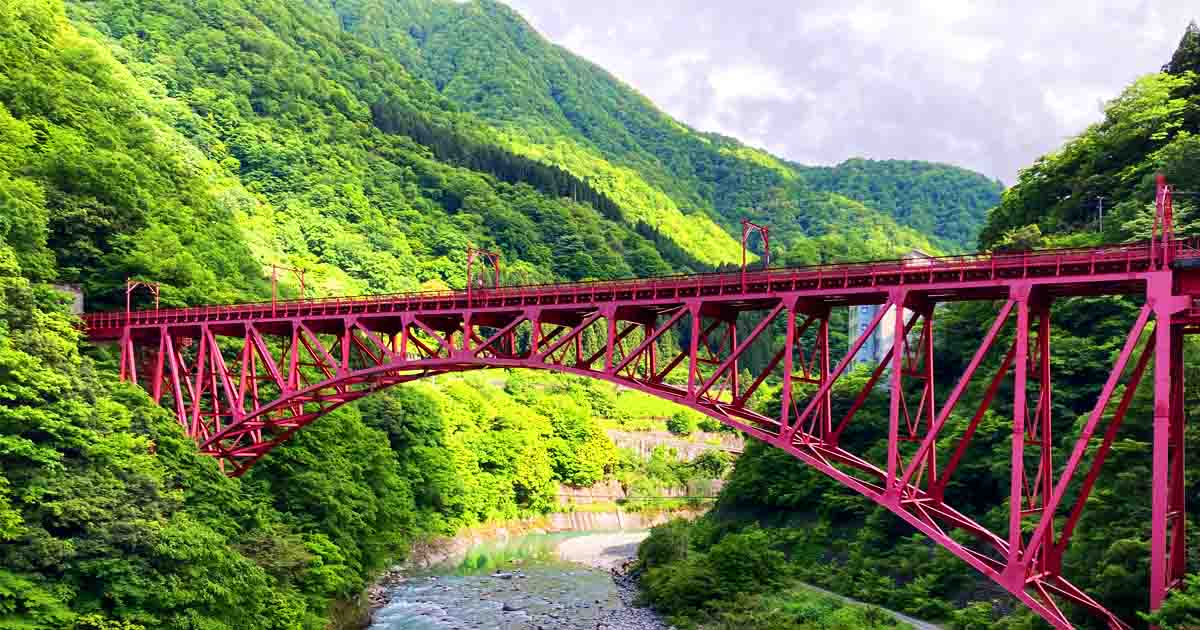
One of Japan’s deepest and most beautiful V-shaped canyons, the Kurobe Gorge is best explored via its charming Open-Air Sightseeing Train. The retro rail winds through lush forests, crossing bright red bridges over turquoise waters. It is a premier destination for autumn colors and hidden hot springs (Onsen) tucked along the riverbanks. The rugged terrain and dramatic cliffs offer a wild, remote contrast to the more manicured sights of central Japan.
Etchu-Yatsuo
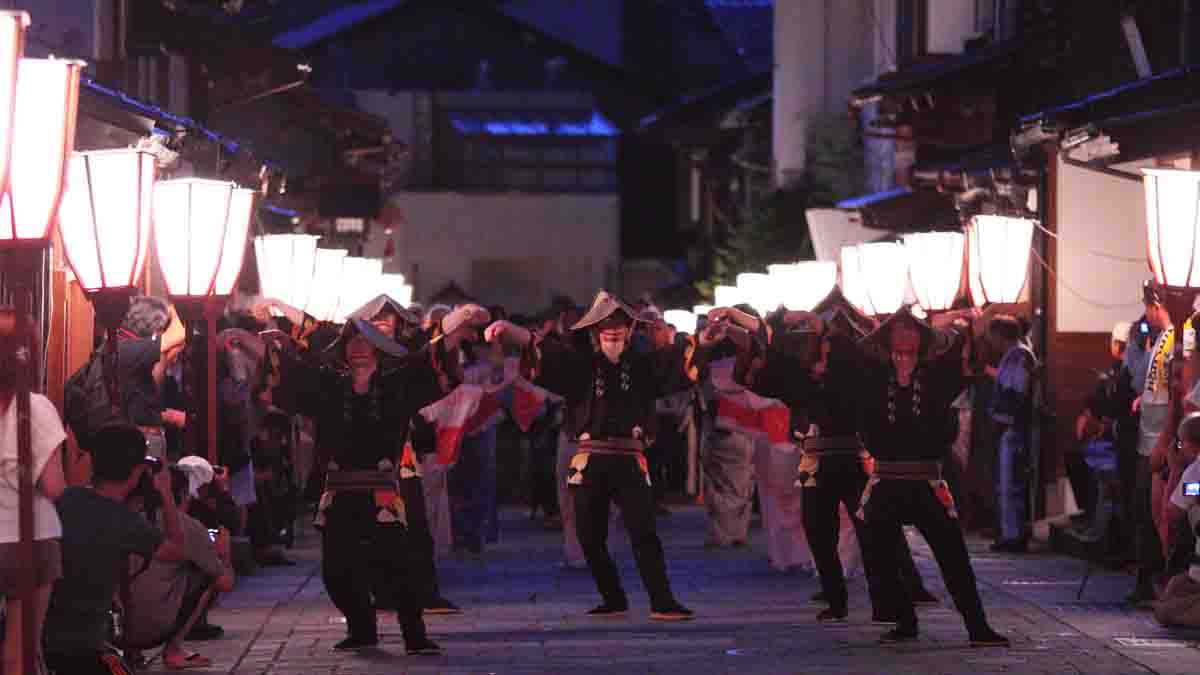
Located in the hilly southern outskirts, Yatsuo is a charming merchant town that flourished through silk production and washi paper. It is world-renowned for the Owara Kaze-no-Bon festival held every September, where dancers in straw hats perform elegant, melancholic routines to the sound of the kokyu (fiddle). The town’s steep, stone-paved streets and preserved Edo-period architecture have earned it a spot among Japan’s top 100 historic roads.
Inotani
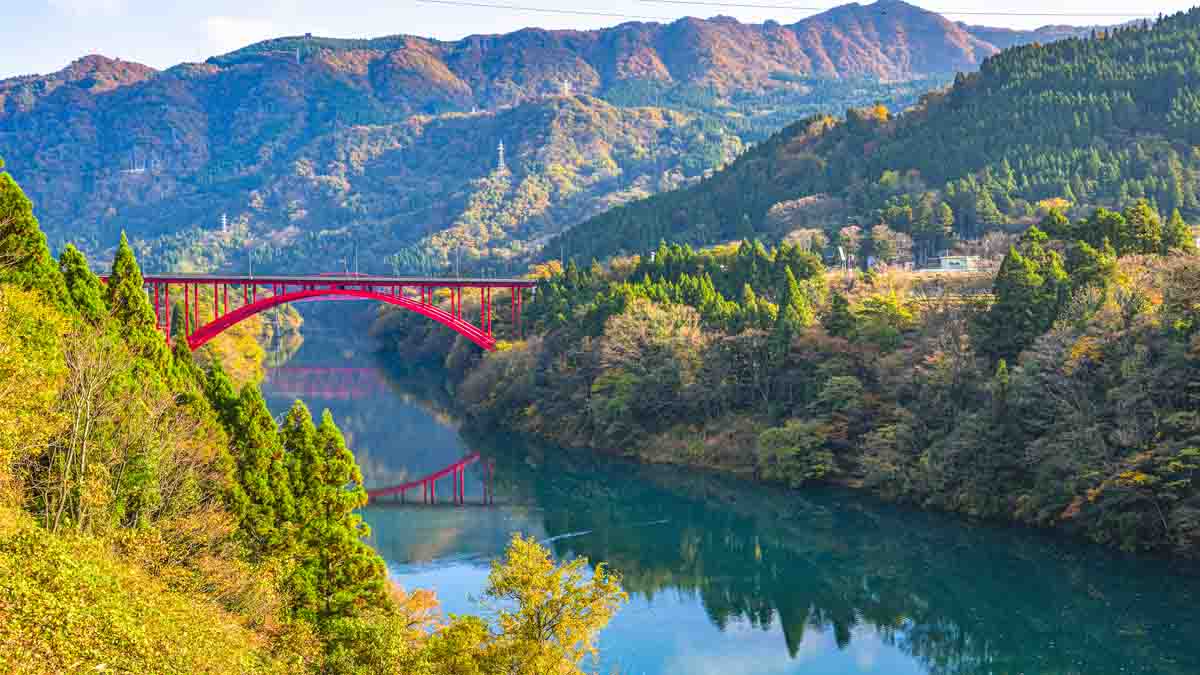
The Inotani district is the heart of Hosoiri, which is the mountainous region nestled along the Jinzugawa River gorge. It was historically a critical border checkpoint (sekisho) between the Etchu (Toyama) and Hida (Gifu) provinces. Today, the Inotani Sekishokan Museum preserves this history. The area is prized for its rugged natural beauty, hot springs, and its role as a gateway for travelers moving between the coast and the northern Japanese Alps.
Hida-Furukawa
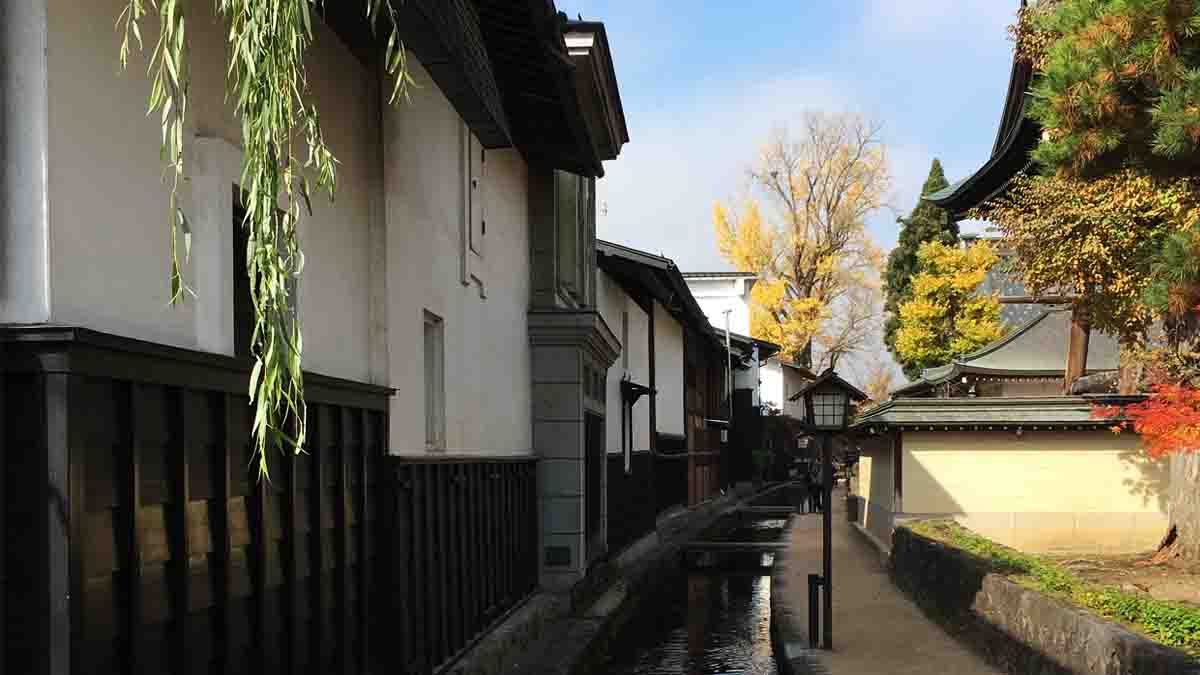
Often called the “quieter sibling” of Takayama, Hida-Furukawa is a beautifully preserved castle town famous for its white-walled storehouses (kura) and the Seto River canals, where over 1,000 colorful koi carp swim. It gained international fame as a setting for the anime Your Name. The town is also home to the UNESCO-recognized Furukawa Festival, known for its powerful “Okoshi Daiko” (Rousing Drum) performance.
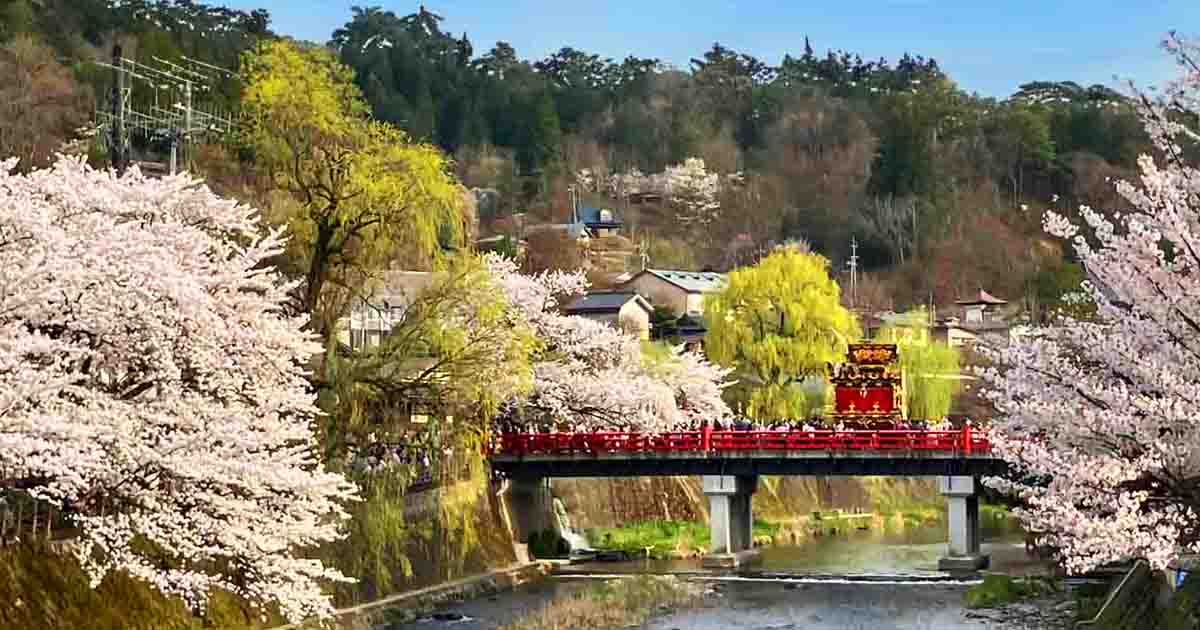
Takayama
Nestled in the Hida mountains, Takayama is beloved for its beautifully preserved Old Town (Sanmachi Suji), lined with wooden merchant houses and sake breweries. The city is world-renowned for the Takayama Festival, featuring ornate, towering floats. It is the ultimate destination to sample Hida Beef and explore the morning markets by the river. With its traditional atmosphere and proximity to the mountains, it feels like a town frozen in time.
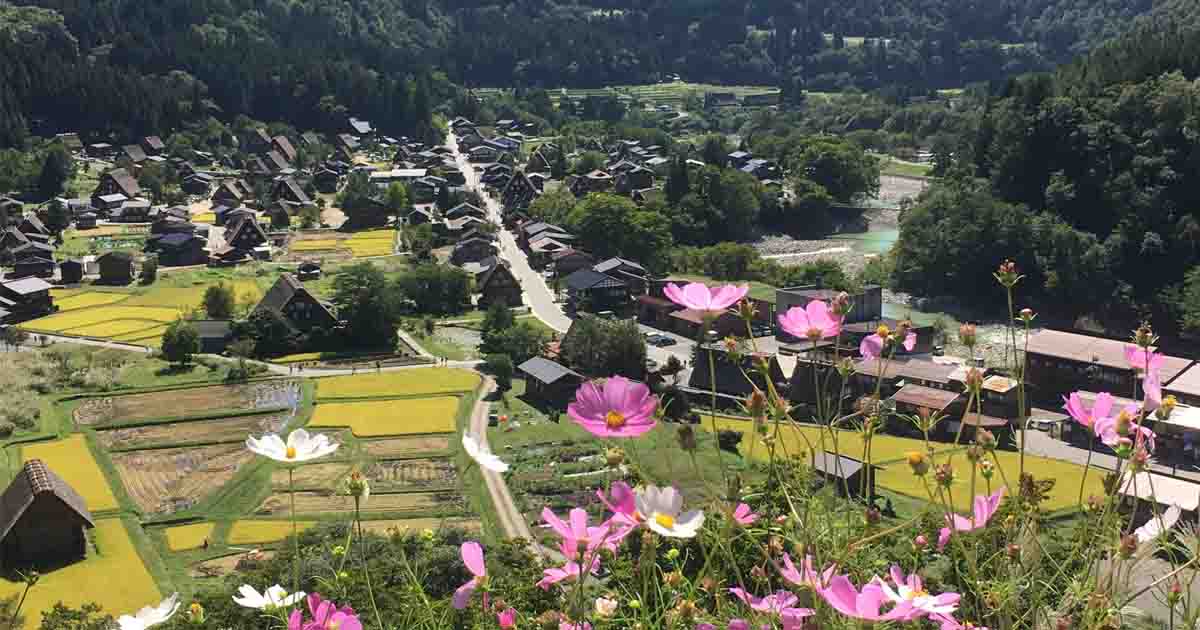
Shirakawago & Gokayama
These UNESCO World Heritage sites are famous for their Gassho-zukuri farmhouses, featuring steep thatched roofs designed to withstand heavy snowfall. While Shirakawa-go is larger and more famous, Toyama’s Gokayama offers a quieter, more intimate glimpse into traditional mountain life. Surrounded by dense forests, these villages look like scenes from a fairytale, especially when illuminated during winter snow festivals or surrounded by golden rice fields in autumn.
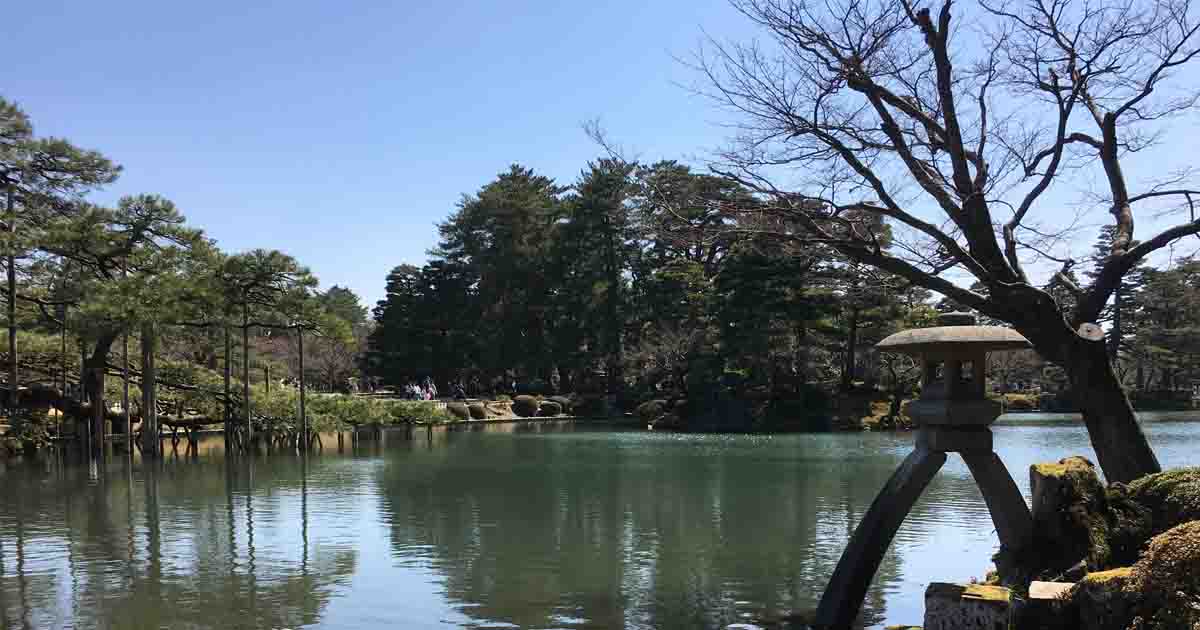
Kanazawa
The “Little Kyoto” of the Hokuriku region, Kanazawa is a city where Edo-period history thrives alongside modern art. It is home to Kenrokuen, one of Japan’s three most beautiful landscape gardens, and well-preserved Samurai and Geisha districts. Famous for gold leaf production and refined Kaga-yuzen silk, Kanazawa is a sophisticated cultural hub. The 21st Century Museum of Contemporary Art provides a sleek, modern counterpoint to the city’s deep historical roots.
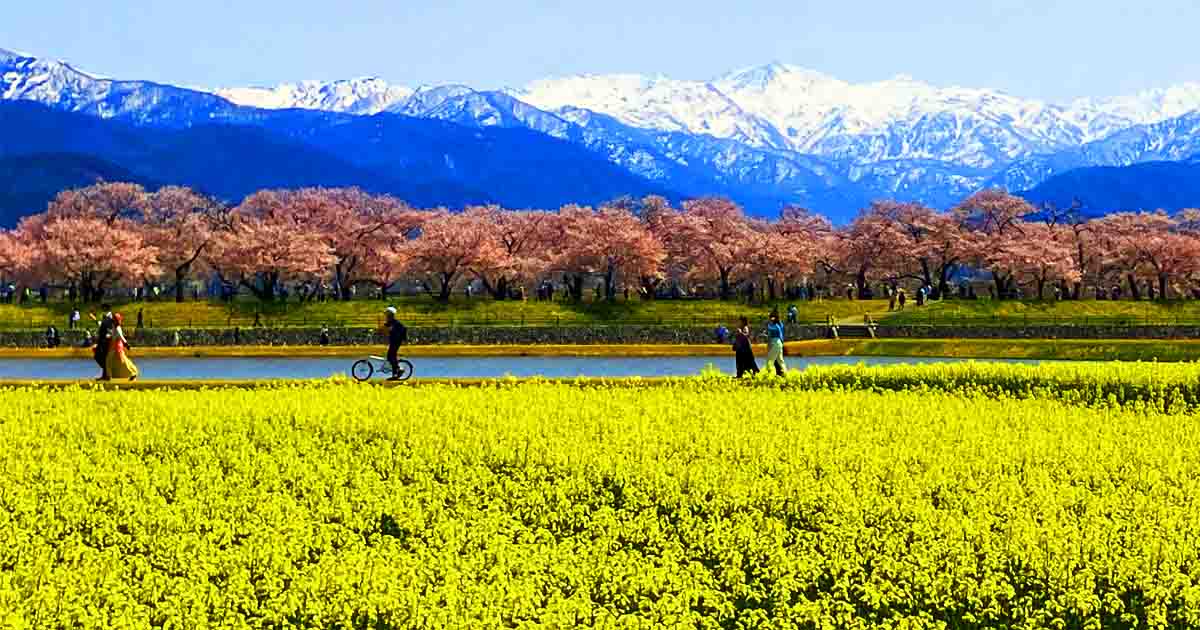
Toyama Pref. East
The eastern region is dominated by the relationship between the mountains and the sea. It is home to Uozu, famous for mysterious mirages and buried forests, and Namerikawa, the “Home of the Firefly Squid.” The deep waters of Toyama Bay provide a bounty of fresh seafood, while the hinterland serves as the gateway to the Northern Alps. It’s a region defined by “pure water” culture, from mountain springs to world-class sake breweries.
Toyama Pref. West
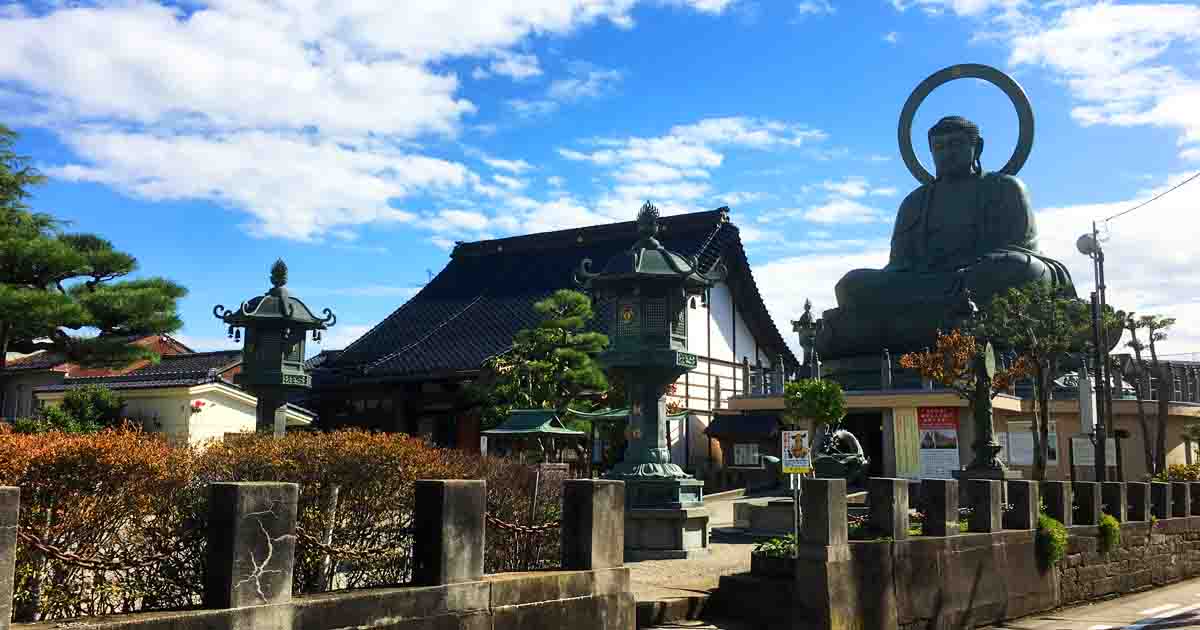
Characterized by rolling hills and traditional craftsmanship, the west is the cultural heart of the prefecture. Takaoka City is the centerpiece, known for its Great Buddha and centuries-old copperware and lacquerware traditions. The Tonami Tulip Fair paints the landscape in vibrant colors every spring, while the coastal town of Himi offers iconic views of the snow-capped Alps rising directly out of the ocean—a rare sight found in few places on Earth.